

Planning Permission Drawing - What You Should Know
The modern architecture is continuing to transform the way planning permission drawings are taken up in the present. Forms that are clean, spaces that can be flexible and well-balanced layouts have influenced the early designs. Designers are focused on the clarity, light, and flow. Drawings for permission to plan now are simple in their shapes and well-thought-out proportions. Each drawing submitted for planning permission should communicate the intent clearly. Drawings for planning facilitate understanding between all parties. A well-designed planning application drawing will set the tone for approval. Visual harmony matters. The changes make designs appear modern while still being practical. Modern trends favor flexible concepts that are able to adapt to changing expectations and the long-term use in the face of changing residential design requirements of today. The latest trends in design influence the way that building extension plans are created and analyzed. Open layouts connect spaces smoothly. Natural light guides placement choices. Extension plans now are based on simplicity and balance. Drawings of home extensions reflect clean lines and a calm design. Extension plans are influenced by modern lifestyles. Loft extension plans are also influenced by these concepts. Loft extension drawings focus on the proportions and efficiency of use. Drawings for planning must demonstrate these characteristics clearly.
If modern thinking is guiding the drawings, they appear well-organized and relevant. They are also easier to comprehend for the assessment teams as well as for greater coordination of projects during the approval phases and communication with design processes throughout the current cycle of development. The evolution of architecture can also impact the way in which quality of drawings for planning permission is assessed. Clear presentation is essential. Simple visuals reduce confusion. Drawings for planning permission that are architectural now aren't cluttered. Each drawing used for permission to plan is clear about its purpose and size. Drawing standards for planning applications continue to be in line with the latest trends in aesthetics. Drawings for planning present ideas in an order. Drawings for building extensions are a benefit of this clearness. Drawings of home extensions feel more consistent. If extension plans are designed according to the latest trends, making decisions is more efficient, communication is improved and the overall planning process is more clear and predictable for all involved, from the initial concept to the final stages of approval reviews. The latest trends influence the way costs are analyzed during the design phase. Effective layouts minimize the need for unnecessary modifications. Drawing accuracy for planning permissions is a key factor in the financial control.
Drawings of architectural designs for planning permission aid in limiting revisions. Planning drawings clarify scope early. Planning application drawing detail reduces uncertainty. Design plans for extensions are easier to evaluate. Drawings for building extensions align the design concept with resources available. Loft extensions benefit from clever use. If plans for extension are clear budgeting is more manageable and balanced. It is also aligned to realistic goals throughout the plan process. Drawings of home extensions also aid in making the rationale decision-making process and ensure that outcomes are controlled throughout modern project development planning cycles. Professionally-informed insight links modern architecture with efficient documentation. Experience helps interpret current design expectations. Drawing quality for planning permissions improves by providing guidance. Drawings for planning permissions that are architectural benefit from a structured approach. Drawings for planning permission become more uniform. Drawings for planning gain clarity and balance. Drawings for planning application feel more fluid. Drawings for home extensions align with the design objectives. Drawings for building extensions and loft extensions follow a modern approach. With the help of experts Extension design plans, extension designs and loft extension plans satisfy the requirements of review, reflect current the latest trends and progress with confidence through approval processes.
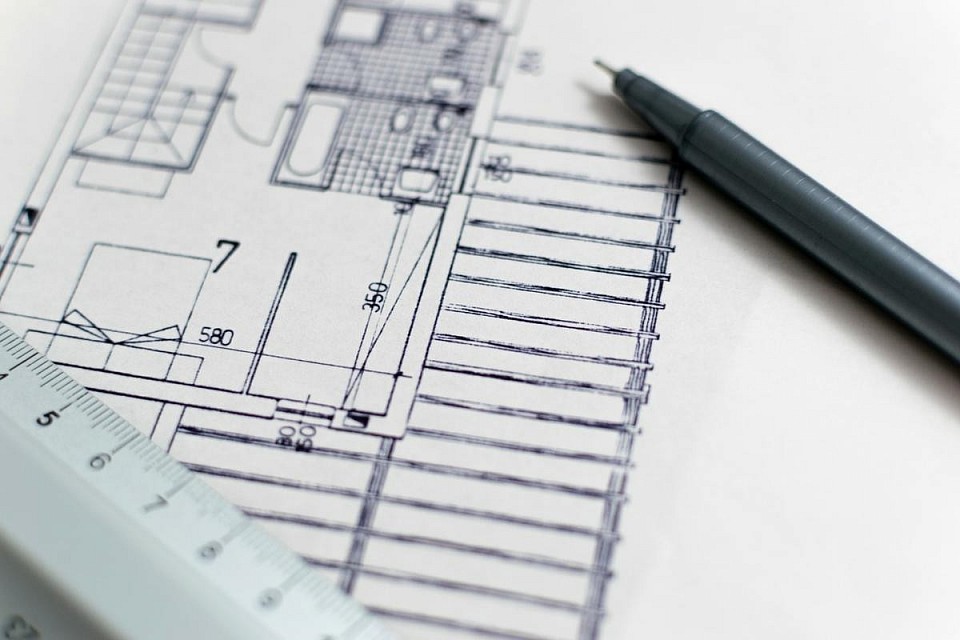
A Glance At Architectural Drawings for Planning Permission
The well-designed drawing for planning play an important part in making sure that you have the smoothest and most predictable approval process. The accuracy is the main goal of every planning permission drawing, because it guarantees that the proposed plan is clearly represented and easy to evaluate. If the details are clear reviewers will be able to comprehend the intention. Drawings for planning permission must be able to reflect the plan without ambiguity. A clear drawing of planning permission will reduce confusion and can speed up the process. Planning drawings that are carefully drawn up help to create trust within the proposal. They prove that the project was carefully considered from the beginning. This enables a more efficient review process. Clarity is essential when drawing a plan application. Simple layouts, consistent scales, and clear labels allow the information to be easily absorbed. When drawing plans are well constructed, they convey ideas without needing lengthy explanations. Drawings for building extensions benefit due to this technique, since they frequently require modifications to existing layouts. Plans for design extensions must clearly depict how new and existing elements are interconnected.
Drawings of home extension that are easy to follow can help reviewers see the outcome. This clarity prevents confusion and helps speed up decisions during the process of approval. Coordination among all documentation is a crucial aspect to successful planning submissions. Drawings for planning permission must be consistent with all supporting drawing for planning. If the architectural drawings used for planning permission are in line and complete, the proposed plan will feel more complete and reliable. Extension plans that align across all views eliminate confusion. Loft extension plans demand particular care, as space uses and proportions have to be clearly defined. Loft extension plans that are well coordinated demonstrate how the design integrates into general structure. This level of alignment shows the professionalism and care in preparation that could positively impact the process of approval. Drawings that are well-prepared can help you manage expectations throughout the course of the project. An accurate planning application establishes a solid reference point for subsequent stages. Drawings for planning that are accurate decrease the chance of revisions in the future. Making extension drawings which clearly define the scope of work help keep the focus.
Extension design plans offer visual aids that help to make informed decisions. Drawings for home extensions also ensure that all those involved are aware of the concept in the same way. The shared understanding reduces confusion and helps move the process forward. A well-planned and organized process can save time and energy for everyone involved. Drawings that are clear for planning permission facilitates faster review. Drawings that allow for planning permission are of good quality and reflect dedication to accuracy and coordination. Drawings for planning permission that are organized create confidence. Drawings that outline details clearly facilitate smooth communication. If loft extension plans, loft extension plans, and loft extension drawings are designed with care, the process of approval becomes more efficient, predictable, in addition to less stressful start to the end. It also helps to facilitate better communication among all parties during the review stage. When drawings that are planned out are accurate and consistent, approval outcomes feel more concise, speedier and far more reliable overall.
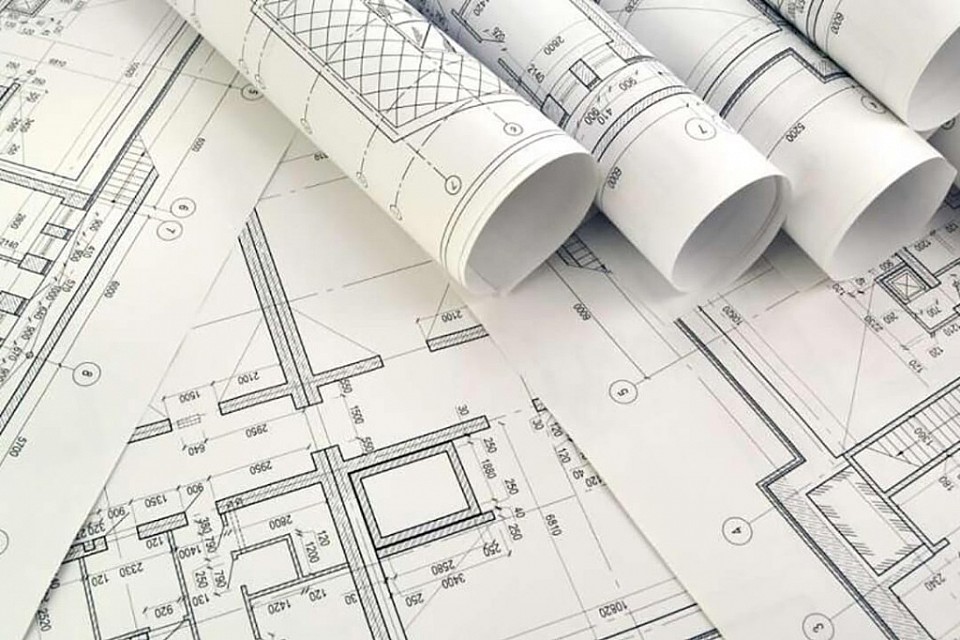
Detailed Look On Drawing for Planning Permission
Understanding the difference between planning drawings, extension plans, and loft extension drawings is needed for a clear and successful approval journey. Each kind of drawing serves a definite purpose, even though they work closely together. A planning permission drawing focuses on presenting the proposal in an obvious and compliant way. Architectural drawings for planning permission provide an overall visual explanation of the design. Every drawing for planning permission must communicate intent accurately. Planning drawings help reviewers understand scale, layout, and impact. A solid planning application drawing sets the building blocks for all later stages by clearly defining what's being proposed. Planning drawings are often the first materials reviewed throughout the approval process. They present the core idea in an easy and structured way. A planning permission drawing typically includes layouts, elevations, and relationships between spaces. Architectural drawings for planning permission concentrate on clarity as opposed to construction detail. Visit the following website, if you're searching for more information concerning drawing for planning permission.
This kind of drawing for planning permission shows how the style fits within its surroundings. Planning drawings are supposed to answer key questions quickly. When a planning application drawing is easy to see, the review process becomes better and predictable for everybody involved. Extension plans serve a far more specific role within the general design set. Building extension drawings focus on additions and changes to an existing structure. Extension design plans show how new spaces relate genuinely to what's already there. Home extension drawings explain layout changes, proportions, and flow. Extension plans help reviewers see the connection between old and new areas. While planning drawings present the general concept, extension design plans provide deeper insight into how the expansion functions within the property. Clear building extension drawings reduce confusion and help support informed decisions. Loft extension plans and loft extension drawings really are a specialized category within extension planning.
These drawings focus on transforming unused upper space into functional areas. Loft extension plans highlight layout efficiency and spatial balance. Loft extension drawings show roof shapes, internal arrangements, and access points. Because loft spaces may be complex, clarity is especially important. A well-prepared planning permission drawing that includes loft extension drawings helps reviewers understand the impact clearly. Accurate loft extension plans support smoother assessment by presenting information in an easy and organized manner. Together, these drawings form an entire and coordinated submission. Planning drawings explain the vision. Extension plans define how additions work. Loft extension drawings address unique spatial challenges. Architectural drawings for planning permission bring everything together visually. When each drawing type is prepared correctly and aligned, the planning application drawing feels cohesive. This coordination improves communication, reduces delays, and supports an easier approval process from start to finish. This alignment also helps manage expectations across all stages of review. Clear differences between drawing types make submissions more straightforward to assess. When each element supports others, confidence in the proposal increases and approval outcomes be reliable.
